
Battery life optimization in mobile devices has become a crucial topic in our tech-driven world. As we rely more on our smartphones and tablets for communication, entertainment, and productivity, ensuring that these devices last throughout the day is essential. Exploring the various techniques, software advancements, and emerging technologies can significantly enhance our user experience and extend the longevity of our devices.
From adjusting screen brightness to managing background applications, each method plays a pivotal role in conserving energy. Understanding how operating systems handle battery management, as well as the innovative technologies shaping the future of mobile computing, can provide valuable insights for users looking to get the most out of their devices.
Battery Life Optimization Techniques
In today’s fast-paced mobile world, having a device that can last throughout the day is essential. Optimizing battery life not only enhances user experience but also prolongs the longevity of your mobile device. There are several practical techniques that can be implemented to ensure that your mobile device runs longer on a single charge. This guide will cover some of the most effective methods for extending battery life, including the significance of screen brightness and managing background applications.
Impact of Screen Brightness on Battery Performance
Screen brightness is one of the most significant factors affecting battery performance. The display consumes a considerable amount of energy, and managing its brightness can lead to substantial battery savings. For optimal battery conservation, consider the following recommendations:
- Adjust brightness levels manually rather than using automatic settings, which may not always be optimal for energy conservation.
- Use adaptive brightness settings that automatically adjust according to ambient light, while also keeping screen brightness at an efficient level.
- Consider using dark mode, as OLED screens consume less power when displaying black or dark colors.
“Reducing screen brightness can lead to a battery life extension of up to 20%.”
Managing Background Apps to Conserve Energy
Background applications can drain battery life significantly, often without users realizing it. Managing these apps is crucial for maintaining optimal battery performance. Here are effective strategies to limit energy consumption:
- Regularly review and close apps running in the background, as many continue to consume resources even when not actively in use.
- Disable background app refresh for apps that don’t require constant updates, which can save battery power when the device is not in active use.
- Turn off location services for apps that don’t need them to function. GPS usage can significantly deplete battery life.
“Managing background applications can improve battery usage efficiency by approximately 30%.”
By applying these techniques, users can enhance their mobile device’s battery life, leading to extended usability and overall satisfaction with their technology.
Role of Software in Battery Management
Mobile devices rely heavily on software to manage and optimize battery life, ensuring users can enjoy extended usage without constant recharging. Mobile operating systems, such as Android and iOS, employ various built-in features and algorithms to monitor battery performance and make real-time adjustments to enhance battery longevity. This integration of software solutions is crucial in balancing device performance with energy efficiency, leading to an overall more satisfying user experience.Mobile operating systems utilize sophisticated battery management systems that analyze usage patterns and app behavior.
These systems can automatically adjust settings such as screen brightness, background activity, and app refresh rates based on real-time data. By optimizing these elements, mobile devices can significantly reduce unnecessary power consumption.
Operating System Battery Optimization Features
Operating systems come equipped with various features designed to improve battery management. These features play a vital role in optimizing power consumption across different applications and processes. The following list highlights key battery optimization techniques employed by major mobile operating systems:
- Power Saving Modes: Most mobile operating systems offer a dedicated power-saving mode that limits background processes and reduces performance to extend battery life during critical times.
- Adaptive Brightness: This feature adjusts screen brightness based on ambient light conditions, reducing power usage and enhancing visibility while conserving battery life.
- App Standby: In Android, this feature restricts background activity for apps that are not frequently used, which helps to conserve battery by limiting their resource consumption.
- Low Power Mode: iOS devices include a low power mode that temporarily disables non-essential features, reducing energy consumption and prolonging battery life.
- Battery Health Management: Some operating systems monitor battery health and provide recommendations to optimize charging habits, thus prolonging overall battery lifespan.
Applications for Improving Battery Efficiency
Various applications are specifically designed to enhance battery efficiency and help users manage their power consumption effectively. These apps provide additional features that go beyond native operating system capabilities. The following applications are notable for their effectiveness:
- Greenify: This app hibernates background apps that consume resources unnecessarily, ensuring that only essential applications run, which helps in extending battery life.
- Battery Guru: It provides insights into battery usage and offers tailored suggestions for optimizing settings based on user behavior.
- DU Battery Saver: This application offers multiple power-saving modes and real-time monitoring, allowing users to maximize their device’s battery performance.
- AccuBattery: By analyzing battery charge cycles, AccuBattery helps users understand their charging habits and shows how they can further improve battery lifespan.
Recent Advancements in Battery Management Software
Recent advancements in software development have significantly contributed to battery management in mobile devices. Innovations in machine learning and artificial intelligence are now being integrated into mobile operating systems. These advancements allow the operating systems to learn user habits and optimize battery usage accordingly. For instance, by recognizing which applications users frequently access, the system can prioritize resources for those apps while limiting power allocation to less frequently used ones.Moreover, recent updates in operating systems have introduced features such as real-time battery usage analytics, allowing users to pinpoint which applications consume the most power.
This transparency empowers users to take control of their battery health proactively. Additionally, the integration of optimized charging algorithms helps in managing charging speeds to avoid overheating and prolong battery longevity.
“The future of battery management software is driven by AI, enabling smarter interactions between users and their devices.”
Emerging Technologies in Mobile Computing
The mobile computing landscape is undergoing rapid transformation, particularly regarding battery technology and energy efficiency. As mobile devices continue to advance, the need for longer-lasting batteries and more efficient components becomes ever more critical. Innovations are not only focused on extending battery life but also on enhancing overall device performance while reducing energy consumption.
Innovations in Battery Technology for Mobile Devices
Recent advancements in battery technology have significantly influenced the performance of mobile devices. Key innovations include:
- Solid-State Batteries: These batteries replace the liquid electrolyte with a solid electrolyte, offering higher energy density, improved safety, and longer life cycles. Companies like Toyota and QuantumScape are leading this field, promising a safer alternative with faster charging times.
- Graphene Batteries: Utilizing graphene, these batteries can charge faster and hold more energy than traditional lithium-ion batteries. Research from various universities is paving the way for commercial applications, potentially revolutionizing how we power our devices.
- Sodium-Ion Batteries: These batteries use sodium instead of lithium, offering a more abundant and cheaper alternative. Research from companies like Faradion is making strides towards practical applications, especially in areas where lithium supplies are constrained.
Trends in Energy-Efficient Hardware Components
Energy-efficient hardware components play a vital role in maximizing battery longevity. Several trends are emerging in this area:
- Low-Power Processors: New generations of processors prioritize energy efficiency without sacrificing performance. For example, Apple’s M1 and M2 chips are designed to deliver high performance while consuming significantly less power compared to their predecessors.
- OLED Displays: Organic Light Emitting Diode (OLED) screens consume less power by lighting only the pixels needed for an image. Many flagship devices now opt for OLED technology, contributing to overall energy savings.
- Adaptive Brightness Technology: This feature automatically adjusts screen brightness based on ambient light conditions, helping to conserve battery life. It’s becoming a standard in many modern smartphones, optimizing energy usage throughout the day.
Comparison of Mobile Devices Based on Battery Performance and Longevity
When evaluating mobile devices, battery performance and longevity remain top considerations for consumers. Notable comparisons highlight key differences:
| Device | Battery Capacity (mAh) | Screen-On Time (Hours) | Charging Speed (W) |
|---|---|---|---|
| iPhone 14 Pro | 3200 | 15 | 20 |
| Samsung Galaxy S22 Ultra | 5000 | 17 | 45 |
| Google Pixel 7 | 4355 | 13 | 30 |
The data illustrates how different devices cater to varying needs, with the Samsung Galaxy S22 Ultra showcasing superior battery capacity and charging speed. In contrast, the iPhone 14 Pro maintains competitive screen-on time despite its smaller battery. These comparisons provide valuable insights for consumers aiming to choose devices that align with their daily usage patterns and battery requirements.
Last Point
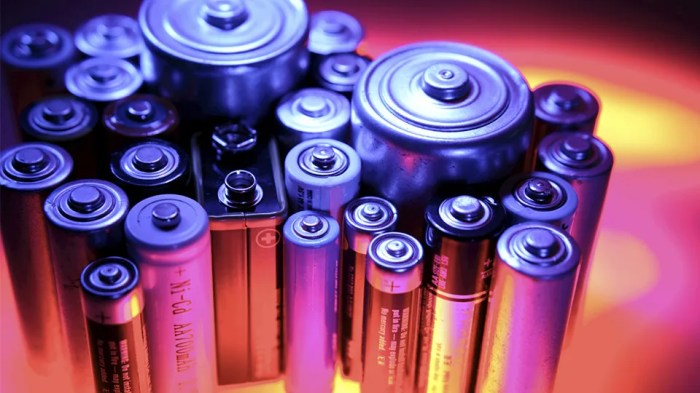
In summary, battery life optimization in mobile devices is not just about individual techniques but also about understanding the synergy between software and hardware advancements. By implementing these strategies and staying informed about the latest trends, users can significantly improve their device’s performance and longevity. Embracing these practices ensures that we remain connected and productive without the constant worry of a dying battery.
Query Resolution
What are the best practices for charging my mobile device?
It’s recommended to avoid letting your battery drop below 20% frequently and to unplug it once it reaches 100% to prolong its lifespan.
Does frequently using battery saver mode affect performance?
While battery saver mode can limit performance slightly, it is designed to help extend battery life, making it a useful tool in low-power situations.
Is it better to keep my device plugged in all the time?
Constantly keeping your device plugged in can lead to battery wear over time, so it’s best to unplug it once fully charged.
How can I identify which apps consume the most battery?
You can check your device’s battery settings to view a list of apps sorted by battery usage, helping you manage them accordingly.
Can software updates improve battery life?
Yes, software updates often include optimizations for battery management and efficiency, so keeping your device updated can help improve battery life.


