
Smart home devices 2025 are set to revolutionize our living spaces, making them more intuitive, efficient, and integrated than ever before. As technology continues to advance, we can expect a plethora of innovative gadgets that not only enhance comfort but also optimize energy usage and security. The upcoming trends reflect a keen focus on improving user interaction and seamless connectivity, ensuring that our homes are not just smart, but also user-friendly.
From voice-activated systems to advanced security measures, the landscape of smart home devices is evolving rapidly. This year promises exciting developments in user interfaces and device compatibility, allowing for a more cohesive experience across various platforms. As we delve deeper into these trends, we uncover the most popular devices and the promising innovations set to dominate the market.
Smart Home Devices Trends in 2025
As we move into 2025, the landscape of smart home devices is evolving at an unprecedented pace. With advancements in artificial intelligence, IoT connectivity, and user-centric design, homeowners are increasingly looking for solutions that enhance convenience, security, and energy efficiency. This year promises to showcase innovations that not only simplify everyday tasks but also create a more integrated living environment.The latest smart home technology trends are marked by the integration of machine learning algorithms that allow devices to learn user preferences and adapt accordingly.
This creates a more intuitive home experience where devices can anticipate needs and respond automatically. Moreover, the emphasis on sustainability and energy conservation is driving the development of smart appliances that monitor energy consumption and suggest optimal usage patterns.
Latest Innovations in Smart Home Technology
The innovations in smart home technology for 2025 focus on enhancing user experience and increasing device interoperability. Key advancements include:
- Advanced Voice Control: Enhanced voice recognition systems will allow for more nuanced commands and greater accuracy, reducing misunderstandings and improving user satisfaction.
- Home Automation Integration: Devices will increasingly work together seamlessly, enabled by platforms that allow for centralized control and automation of multiple devices from different manufacturers.
- Energy Monitoring Solutions: Smart devices will feature real-time energy consumption tracking, helping homeowners make informed decisions about their energy use and potentially reducing costs.
- Smart Security Systems: Innovations in security technology, including AI-driven surveillance cameras and smart locks, will provide enhanced monitoring and real-time alerts for homeowners.
- Health Monitoring Devices: With a growing focus on wellness, smart home devices that track air quality, humidity, and other environmental factors will become more common, contributing to healthier living spaces.
Anticipated Changes in User Interfaces
The user interface of smart home devices is expected to transform significantly in 2025, reflecting the need for simplicity and efficiency. The following changes will be particularly notable:
- Gesture-Based Controls: Users will be able to manage their devices through intuitive gestures, providing a more tactile interaction compared to traditional touch or voice inputs.
- Augmented Reality (AR) Interfaces: The integration of AR technology will allow users to visualize the status of their smart home devices in real-time through their smartphones or AR glasses.
- Personalized Dashboards: Smart home control interfaces will incorporate AI to create customized dashboards tailored to individual user preferences, showing relevant information at a glance.
- Multimodal Interaction: Users will have the ability to interact with devices using voice, touch, and visual cues, creating a more flexible and comfortable user experience.
Most Popular Smart Home Devices Expected to Dominate the Market
As the smart home market continues to grow, certain device categories are expected to lead in popularity due to their functionality and user appeal. The most anticipated devices for 2025 include:
- Smart Speakers: With improved AI capabilities, smart speakers will serve as central hubs for controlling other smart devices, providing voice assistance and entertainment.
- Smart Thermostats: These devices will become increasingly sophisticated, learning user routines to optimize heating and cooling efficiently, thereby enhancing energy savings.
- Smart Security Systems: Comprehensive security solutions that include cameras, alarms, and monitoring services will be sought after for their ability to increase home safety.
- Connected Appliances: Kitchen appliances such as smart ovens and refrigerators will become more common, allowing remote control and smart cooking features.
- Smart Light Systems: Lighting solutions that can be controlled via apps or voice, featuring color-changing capabilities and energy monitoring, will see rising demand.
“2025 will mark a significant turning point in how we interact with our living spaces, with technology seamlessly integrating into daily life.”
Integration of Smart Home Devices with Other Technologies
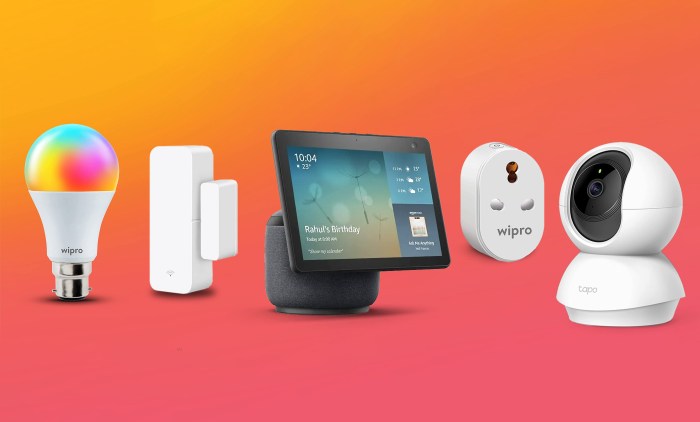
The evolution of smart home devices is closely tied to advancements in various technologies, including web hosting and web design. As these devices become increasingly integrated into our daily lives, the need for seamless connectivity and user-friendly interfaces is paramount. This section explores how smart home devices will integrate with web technologies, enhancing user experience and compatibility with existing systems.
Integration with Web Hosting and Domain Names
The future of smart home devices will heavily rely on their integration with web hosting services and domain names, allowing for streamlined connectivity and control. This will enable users to manage their smart devices through personalized web portals, enhancing accessibility and user engagement. For instance, when smart devices are linked to a dedicated domain, users can access their home systems from any internet-enabled device.
This connectivity allows for features such as remote monitoring, automated alerts, and real-time adjustments from anywhere in the world. The integration of cloud services will further enhance this functionality, enabling data synchronization and updates without manual intervention.
User-Friendly Interfaces through Web Design
Web design and development play critical roles in ensuring that the interfaces of smart home devices are intuitive and user-friendly. A well-designed interface can significantly improve the user experience, making technology accessible to a broader audience, including those who may not be tech-savvy.The key aspects to consider in the development of these interfaces include:
- Responsive Design: Ensures compatibility across various devices and screen sizes, providing a consistent user experience whether accessed via a smartphone, tablet, or desktop.
- Intuitive Navigation: Simplifies the process of connecting and controlling multiple devices, enabling users to manage their smart home systems efficiently.
- Visual Feedback: Provides immediate feedback on user actions, such as confirmations for device control, enhancing user confidence in the system.
- Customization Options: Allows users to tailor the interface to their preferences, enhancing engagement and satisfaction.
The importance of a thoughtful web design cannot be overstated, as it directly influences user engagement, satisfaction, and overall adoption rates of smart home technologies.
Compatibility of Smart Home Devices with Other Electronics
As the market for smart home devices expands, their compatibility with other electronics and electrical systems will be crucial for creating a cohesive smart environment. Here are several categories of devices and their compatibility considerations:
- Smart Speakers: Devices like Amazon Echo or Google Nest must work seamlessly with other home automation systems, such as lighting and security, to provide centralized control.
- Smart Thermostats: Compatibility with HVAC systems is essential, as these devices can significantly enhance energy efficiency and comfort within the home.
- Security Cameras: These must integrate with existing home networks and be capable of being monitored via mobile devices or web platforms for real-time security alerts.
- Smart Appliances: Refrigerators, ovens, and washing machines that can be controlled remotely enhance convenience, but they must work with the home’s Wi-Fi network and other smart systems.
The compatibility of smart home devices fosters a more interconnected living environment, allowing users to experience the true potential of smart technology in everyday life.
Economic Impact of Smart Home Devices
The economic impact of smart home devices is multifaceted, influencing both personal finances and broader market trends. These devices not only provide homeowners with increased convenience and comfort but also present opportunities for significant cost savings and revenue generation. As technology continues to advance, smart home devices are becoming an integral part of energy efficiency strategies and economic growth.
Monetary Benefits from Energy Savings and Efficiency
Smart home devices can significantly contribute to financial savings through enhanced energy efficiency. Homeowners can take advantage of smart thermostats, lighting systems, and appliances that utilize automated features to reduce energy consumption. Key aspects of these savings include:
- Automated Energy Monitoring: Smart devices can monitor energy usage in real-time, allowing users to identify high-consumption areas and adjust their habits accordingly.
- Demand Response Programs: By participating in utility-sponsored programs that adjust energy consumption during peak hours, smart home users can receive financial incentives.
- Reduced Utility Bills: Energy-efficient appliances can lower monthly utility costs significantly, with estimates suggesting savings of up to 30% in some households.
- Long-Term Asset Value: Homes equipped with smart technology often have higher resale values due to their energy-efficient systems and modern amenities.
“Smart homes can reduce energy costs significantly, transforming how individuals manage their household expenses.”
Influence of Mobile Computing on Smart Home Device Sales
Advancements in mobile computing are playing a crucial role in driving the sales of smart home devices. The proliferation of smartphones and tablets has made it easier than ever for consumers to control and monitor their smart home systems. This shift has several economic implications:
- Increased Accessibility: With mobile apps, users can access their smart devices from anywhere, leading to higher adoption rates among tech-savvy consumers.
- Integration with E-commerce: Mobile platforms enable seamless purchases of smart home devices directly from retailers, boosting sales and market penetration.
- Enhancements in User Experience: Advanced user interfaces and enhanced functionalities encourage consumers to invest in a broader range of smart home products.
- Data-Driven Marketing: Mobile computing allows for targeted marketing strategies, enhancing product visibility and customer engagement.
Security Measures for Protecting Smart Home Devices
With the rise of smart home technologies comes the heightened risk of cyber threats. Protecting these devices is essential to ensure user privacy and data security. Implementing robust security measures can mitigate these risks effectively:
- Strong Password Policies: Users should employ complex passwords and change them regularly to thwart unauthorized access.
- Regular Software Updates: Keeping device firmware and applications up to date is crucial for patching vulnerabilities.
- Network Security: Utilizing secure Wi-Fi networks, including WPA3 encryption, helps protect against external attacks.
- Two-Factor Authentication: Enabling 2FA adds an additional layer of security, verifying user identity before granting access to smart devices.
“Robust security measures are critical for safeguarding smart home devices from potential cyber threats.”
Final Summary
In summary, smart home devices in 2025 are poised to redefine how we interact with our living environments. With groundbreaking advancements in technology and an emphasis on user experience, homeowners can look forward to enhanced convenience, security, and energy savings. As we embrace this new era of smart living, staying informed about the latest trends and innovations will be key to maximizing the benefits of these transformative technologies.
FAQ Overview
What are the most popular smart home devices in 2025?
The most popular smart home devices expected in 2025 include smart speakers, security cameras, smart thermostats, and home automation hubs.
How will smart home devices improve energy efficiency?
Smart home devices can optimize energy usage by automating functions like heating and lighting based on user preferences and real-time data.
What security measures should be implemented for smart home devices?
Implementing strong passwords, regular software updates, and using secure networks can significantly enhance the security of smart home devices.
How do smart home devices integrate with other technologies?
Smart home devices integrate with technologies like IoT, mobile apps, and cloud services to provide seamless control and monitoring capabilities.


